Mojito
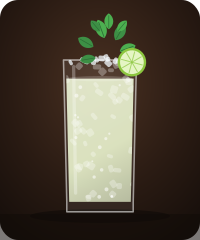
Rum, lime, mint and sugar over crushed ice with a splash of soda. Havana's long, cool answer to a hot afternoon.
- MethodBuilt
- GlassHighball glass
- IceCrushed
- Strengthabout 12.3% ABV
- BaseRum
- Tasterefreshing, sour, herbal
Recipe
| 10 leaves | Fresh mint |
| 15 ml ½ oz | Simple syrup (1:1) or Caster (superfine) sugar |
| 22.5 ml ¾ oz | Fresh lime juice |
| 60 ml 2 oz | White rum (light, Spanish-style) |
| Top up: 60 ml 2 oz | Soda water |
Garnish. A generous bunch of mint tops, slapped once between the palms to wake the scent, set next to the straw.
Method
- Put the mint and syrup in the bottom of a highball and press the leaves gently with a muddler; bruise them, do not shred them.
- Add the lime juice and rum, then fill the glass two-thirds with crushed ice.
- Churn with a barspoon, lifting the mint up through the ice.
- Top with soda water, add more crushed ice to a mound, and garnish.
About the Mojito
The Mojito is a tall rum sour freshened with mint and lengthened with soda. It should taste of lime and green mint first, with the rum underneath and only enough sugar to round off the acidity. Crushed ice keeps it very cold and lets it dilute steadily as you drink, so it stays light rather than syrupy.
History
Earliest record 1931: Sloppy Joe's Bar, Havana, souvenir drinks booklet for the 1931–32 season (first use of the name)
Documented
Cuban drinkers were mixing cane spirit with lime, sugar and mint long before the name appears. Recipes for the drink show up in Havana publications from the late 1920s under names such as "mojo de ron", including Juan A. Lasa's Libro de Cocktail (1929). The name Mojito itself is found in the souvenir drinks booklet of Sloppy Joe's bar in Havana for the 1931–32 season, which interestingly lists both a rum and a gin version.
Legend and lore
A popular story ties the drink to a 16th-century medicinal mixture called El Draque, after the English privateer Francis Drake; a drink of that name did exist in 19th-century Cuba, but the direct line from Drake is unproven. La Bodeguita del Medio in Havana is often called the Mojito's birthplace, and a framed note there signed with Hemingway's name praises its Mojitos; nothing in Hemingway's own writing mentions the bar or the drink, and the note is widely thought to be a later invention.
Disputed or unclear: The exact year of the earliest Mojito-style recipe is given differently by different historians (1927 to 1929), depending on which drink they count as the same thing.
Variations
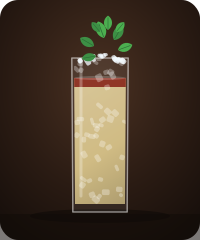
- Mint Julep. The American relative: bourbon, mint and sugar over crushed ice, no citrus and no soda.
- Southside. Gin, lime, mint and sugar shaken and served up, or lengthened with soda as a Southside Fizz.
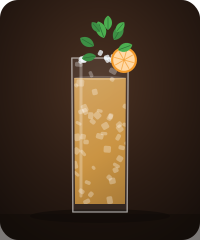
- Queen's Park Swizzle. Darker rum, no soda, and a heavy dose of aromatic bitters on top.
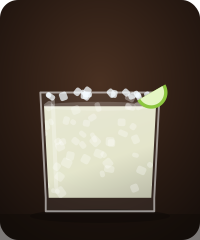
- Caipirinha. Brazil's muddled lime drink with cachaça; no mint, no soda.
Bartender's notes
- Press the mint, do not pound it. Torn, mashed leaves release bitter, grassy flavours and stick in the straw.
- Keep the soda to a splash. Too much makes a thin, watery drink.