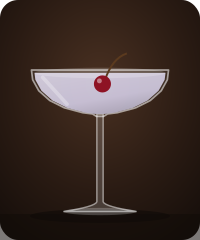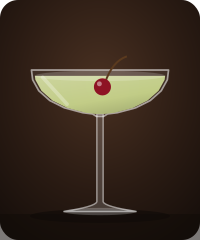
Corpse Reviver No. 2
Equal parts gin, quinquina, orange liqueur and lemon with a breath of absinthe. Bright, citrusy and lightly bitter.
- MethodShaken
- GlassCoupe
- IceNone (served up)
- Strengthabout 16.4% ABV
- BaseGin, Wine & aperitivo
- Tastesour, herbal, fruity
Recipe
| 22.5 ml ¾ oz | London dry gin |
| 22.5 ml ¾ oz | Quinquina aperitif wine (kina-style, white) |
| 22.5 ml ¾ oz | Orange liqueur (triple sec) |
| 22.5 ml ¾ oz | Fresh lemon juice |
| 1 dash | Absinthe |
Garnish. A small piece of orange peel, squeezed over the surface; many bars serve it with no garnish.
Method
- Rinse a chilled coupe with the absinthe and discard the excess, or add one dash to the shaker.
- Shake the gin, aperitif wine, orange liqueur and lemon juice hard with ice for 12 to 15 seconds.
- Double strain into the coupe and garnish.
About the Corpse Reviver No. 2
The Corpse Reviver No. 2 is an equal-parts gin sour with a white quinine aperitif wine and orange liqueur, sharpened by a trace of absinthe. It is fresh and citrusy, with a faintly bitter, aniseed finish. It was meant as a morning-after drink, but it works as well before dinner.
History
Earliest record 1930: Harry Craddock, The Savoy Cocktail Book, London
Documented
"Corpse reviver" was a general name for restorative morning drinks in the 19th century; the term appears in the London magazine Punch in 1861, and recipes with that name, mostly brandy-based, followed in the 1870s. This gin version is first printed in Harry Craddock's The Savoy Cocktail Book (London, 1930), as No. 2, with the warning that four taken quickly will "unrevive" the corpse again. The aperitif wine it called for, Kina Lillet, was reformulated in the 1980s, so modern versions use a similar quinquina.
Legend and lore
Craddock is sometimes named as the inventor. The Savoy book does not say so, and who first mixed it is unknown.
Variations
- Corpse Reviver No. 1. The Savoy book's other version: cognac, apple brandy and sweet vermouth, stirred.
- White Lady. Gin, orange liqueur and lemon, without the aperitif wine or absinthe.
Bartender's notes
- Absinthe is loud; a rinse or a single small dash is enough.
- A more bitter quinquina makes a drink closer to the 1930 original than a sweeter blanc aperitif does.