Espresso Martini
Vodka, coffee liqueur and fresh espresso shaken to a thick crema. Bitter-sweet, cold and wide awake.
- MethodShaken
- GlassCoupe
- IceNone (served up)
- Strengthabout 15.2% ABV
- BaseVodka, Liqueur-led
- Tastebitter, sweet, strong
Recipe
| 45 ml 1½ oz | Vodka |
| 22.5 ml ¾ oz | Coffee liqueur |
| 30 ml 1 oz | Espresso (fresh) |
| 7.5 ml ¼ oz | Simple syrup (1:1) (optional) |
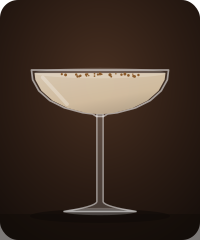
Garnish. Three coffee beans laid on the foam.
Method
- Chill a coupe, and pull the espresso just before you mix.
- Put the vodka, coffee liqueur, espresso and syrup (if using) in a shaker and fill with ice.
- Shake very hard for 15 seconds to build a thick foam.
- Double strain into the coupe and lay the coffee beans on top.
About the Espresso Martini
The Espresso Martini is vodka, coffee liqueur and freshly made espresso shaken hard so the coffee's oils form a tan foam. It tastes like strong, sweetened iced coffee with a clear alcoholic kick. Fresh espresso is essential: the crema on top comes from it.
History
Documented
Dick Bradsell created it in London in the 1980s, first as an off-menu drink at the Soho Brasserie on Old Compton Street, where it was served over ice as a Vodka Espresso. At Pharmacy in Notting Hill in the late 1990s he served it as the Pharmaceutical Stimulant. The name Espresso Martini became standard around the same time, and the drink went on to become one of the best-known cocktails of the 21st century.
Legend and lore
Bradsell told of a well-known model asking for a drink that would wake her up and then knock her out. The model's identity varies in the retelling and has never been confirmed.
Disputed or unclear: The date is usually given as 1983, but Bradsell's family has suggested it may be closer to 1985.
Variations
- White Russian. Vodka and coffee liqueur with cream, built over ice.
- Irish Coffee. Hot coffee, Irish whiskey and sugar under a layer of cream.
- Espresso Martini with aged rum or tequila. Replace the vodka with an aged rum or a reposado tequila for more flavour.
Bartender's notes
- Use espresso within a minute or two of brewing; old or cold coffee will not foam well.
- Shake harder and longer than for a sour; the foam is built by the shake.