Blood and Sand
Scotch, cherry liqueur, sweet vermouth and orange juice in equal parts. Fruity and round, with a whisky backbone.
- MethodShaken
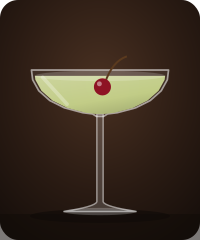
- GlassCoupe
- IceNone (served up)
- Strengthabout 13.4% ABV
- BaseWhiskey, Liqueur-led
- Tastefruity, sweet, smoky
Recipe
| 22.5 ml ¾ oz | Blended Scotch whisky |
| 22.5 ml ¾ oz | Cherry liqueur (cherry brandy) |
| 22.5 ml ¾ oz | Sweet (red) vermouth |
| 22.5 ml ¾ oz | Fresh orange juice |
Garnish. A strip of orange peel squeezed over the top; a brandied cherry is also traditional.
Method
- Chill a coupe.
- Shake everything hard with ice for 12 to 15 seconds.
- Double strain into the chilled coupe and express the orange peel over the top.
About the Blood and Sand
The Blood and Sand is an unusual Scotch drink: equal parts whisky, cherry liqueur, sweet vermouth and fresh orange juice, shaken. It is fruity and soft rather than strong, with the whisky giving it a dry, malty finish. Freshly squeezed orange makes all the difference.
History
Earliest record 1930: Harry Craddock, The Savoy Cocktail Book (London)
Documented
The recipe appears in Harry Craddock's The Savoy Cocktail Book (London, 1930), in equal parts as it is still made. The name is that of the 1922 bullfighting film starring Rudolph Valentino, itself based on a novel by Vicente Blasco Ibáñez; the red of the cherry liqueur and orange is usually taken as the reference.
Legend and lore
It is often said to have been created for the film's premiere. There is no contemporary record of that, and nobody knows who first made it.
Variations
- Rob Roy. Scotch and sweet vermouth stirred with bitters, without the fruit.
- Smoky Blood and Sand. A little peated Scotch in the mix or rinsed in the glass.
- Bigger whisky. Many bartenders raise the Scotch to 30 or 45 ml for a drier, stronger drink.
Bartender's notes
- Use a cherry liqueur that tastes of real cherries, not a sweet red cordial.
- Blood orange juice, in season, gives it a deeper colour and more tartness.